Why the Smallest Scraps of Life Tell the Biggest Stories
Milestone paralysis is easy to recognize. A birthday, wedding, vacation, graduation, or holiday seems worthy of documentation, while an ordinary Tuesday feels too uneventful to save. The result is a strange gap in many personal archives. The polished occasions survive in photographs, yet the daily world that gave those occasions meaning disappears. The quiet evidence of commuting, feeding a family, managing a household, and finding small pleasures is often discarded before anyone has considered its historical value.
A grocery receipt, bus ticket, pharmacy label, or handwritten reminder can preserve the honest cadence of a life. For anyone building a meaningful junk journal, these scraps offer an accessible starting point because they require no elaborate writing session or special event. Like historical archives, personal memory depends on artifacts that were created for practical reasons rather than for an audience. Their unplanned details can reveal what people bought, worried about, repeated, postponed, and cared for when no one was posing for the record.
The Living Artifacts Hiding in Plain Sight
Domestic ephemera is powerful because it combines information with atmosphere. A receipt does more than list products and prices. It can show the cost of staple foods during a particular season, the balance between convenience and thrift, changing dietary habits, and the number of people being fed. A series of receipts might reveal the gradual appearance of plant-based products, children”s snacks, bulk purchases, or unfamiliar ingredients introduced during a period of experimentation. Over time, these small documents become evidence of household economics and family nutrition.
Handwritten lists offer a different kind of record. A note reading “call school,” “wash uniforms,” “buy batteries,” and “check on neighbor” captures the invisible coordination that keeps domestic life functioning. It may reveal who carried the mental load, which tasks were urgent, and how much emotional bandwidth was available on a given day. Chore charts and meal plans can also document changing family roles, children learning responsibility, or a household adapting to illness, a new job, or a move. Their value is not literary polish. Their value lies in the pressure and priorities visible between the lines.
Transit slips, takeout packaging, product labels, and clipped instructions anchor routines that otherwise vanish quickly. A ticket may mark the route taken to a first job, a regular medical appointment, or a weekly visit to a relative. A tea wrapper or bakery bag can recall a familiar stop during a demanding period. These objects become especially meaningful when paired with a few words about context, such as the weather, the destination, or the feeling attached to the moment. Everyday routines often form the central story of a life because repeated actions reveal identity more reliably than occasional celebrations.
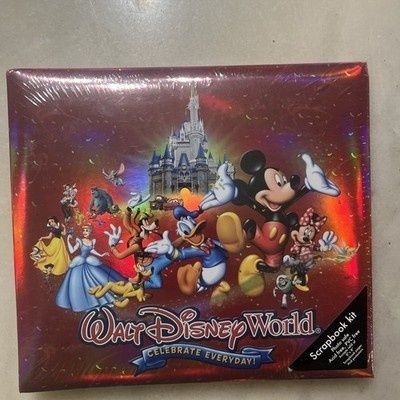
- Receipts can document prices, food habits, household size, and changing priorities.
- Lists and charts can reveal labor, responsibilities, stress, and care.
- Tickets and labels can preserve places, routes, brands, and sensory associations.
- Wrappers and packaging can date ordinary pleasures and the objects that shaped a particular season.
Everyday Scraps Versus Official History Records
Official records are essential, but they have never captured every life equally. Government forms, newspapers, institutional reports, and business records tend to prioritize public events, property, employment, politics, and people who held recognized authority. They often say less about domestic interiors, unpaid labor, informal care, migration decisions, working rhythms, and the emotional realities of survival. The history of a household can therefore be present in official collections only as an absence.
Personal scrapbooks and grassroots paper trails widen the historical lens. Research into British scrapbooking, including work highlighted by historian Cherish Watton, shows how people used clippings, photographs, objects, and handwritten commentary to curate their own worlds. Similarly, research on displacement and family objects demonstrates how material traces can preserve experiences excluded from colonial archives. A domestic fragment is not automatically complete or objective, but it can provide evidence that formal records erase or never attempted to collect.
| Formal record | What it may preserve | What a domestic fragment can add |
|---|---|---|
| Employment record | Job title, employer, dates, and income | Commute, fatigue, packed lunches, childcare logistics, and daily constraints |
| Household budget | Broad expenses and totals | Specific brands, substitutions, price shocks, treats, and acts of thrift |
| School record | Attendance, grades, and official events | Permission notes, lunch packaging, reminders, drawings, and family effort |
| Newspaper account | Public events and dominant viewpoints | Local reactions, private interpretations, marginal notes, and lived consequences |
How to Curate and Build Your Domestic Time Capsule
The most sustainable archive is the one that fits naturally into existing routines. A junk journal does not require artistic expertise, daily essays, or a perfectly coordinated album. It can hold photocopies, paper scraps, photographs, maps, notes, and brief observations in a layered record of ordinary life. The goal is not to save everything. The goal is to create a manageable system that catches meaningful evidence before it disappears, then gives it enough context to remain understandable.
Use the following process to turn accumulation into meaningful progress. Treat each stage as flexible. A busy month may produce only one page, while a quieter period may support several. The practice should reduce pressure, not create another obligation.
- Create a catchment point. Place a shallow tray, box, or large envelope near the entryway or kitchen counter. Add receipts, tickets, labels, notes, wrappers, and other small items as they appear. Keeping the container visible removes the need to remember a separate preservation task.
- Sort once a month. Discard duplicates, unreadable scraps, and items with no likely meaning. Keep pieces that show a routine, a change, a relationship, a challenge, or a small pleasure. If an item prompts a specific memory, it has earned consideration.
- Build a page in a junk journal. Mount selected artifacts alongside a date, location, and one or two life-logging sentences. A caption such as “The first week of packed lunches after the schedule changed” will be more useful than a vague label such as “January.”
- Add sensory and emotional detail. Record the smell of rain on the walk to the bus, the sound of a child practicing reading, the exhaustion after a late shift, or the relief of finding an affordable meal. Tactile evidence shows what happened; reflective captions explain why it mattered.
Archival Wisdom to Make Ephemeral Paper Endure
Preservation begins with prevention. The National Archives family archive guidance emphasizes protecting papers and photographs from avoidable damage rather than waiting until deterioration becomes severe. This matters especially for modern ephemera, because many items were never manufactured to last. Thermal receipts are particularly vulnerable. Heat, sunlight, and ultraviolet exposure can darken or erase their printed surfaces, sometimes within a surprisingly short period.
When a receipt contains important information, scan or photocopy it promptly. Keep the digital file as a reference and place the copy in the journal, preferably on acid-free or archival-quality paper. The copy may not preserve the exact surface texture, but it protects the words, date, and visual structure. For items with unusual color, texture, or emotional significance, preserve both the original and a reproduction. Handle thermal paper gently and avoid storing it against documents that could be damaged by transferred ink.
- Use acid-free folders, paper, and page protectors whenever possible.
- Choose archival photo corners or removable, acid-free adhesive instead of standard household tape.
- Avoid rubber cement, ordinary glue sticks, and pressure-sensitive tapes that can stain, become brittle, or permanently bond to paper.
- Do not laminate fragile originals, since lamination can be difficult or impossible to reverse.
- Label pages with dates, places, names, and context while the details are still clear.
Storage conditions matter as much as materials. Keep the finished journal in a stable indoor environment, away from direct sunlight, radiators, kitchens with heavy steam, damp basements, and hot attics. Large temperature and humidity swings accelerate deterioration and can encourage mold, warping, and adhesive failure. A cool, dry closet is usually more suitable than an attic trunk. Store journals upright when possible, avoid crushing them beneath heavy objects, and inspect them occasionally for fading, pests, or signs of moisture. Simple choices made now can extend the life of a collection for the next generation.
Turn Today into Tomorrow”s Cherished Heritage
Paper waste deserves a more thoughtful response than indiscriminate purging. Not every receipt belongs in an archive, and keeping everything can create clutter rather than meaning. Yet the ordinary scraps that show how a household moved through time are raw materials for a family narrative. They preserve the practical side of care, the adjustments made under pressure, and the repeated pleasures that formal milestone records rarely contain.
Begin tonight with one small action. Tuck a single receipt, transit slip, label, or scribbled reminder into a designated notebook, then add the date and one sentence explaining why it belongs there. That modest gesture turns insight into action without demanding a new identity as a historian or artist. Ordinary domestic existence is not a lesser version of history. It is where history is lived, repeated, and felt. When preserved with intention and simple archival care, the smallest scraps can become a durable record of what a life truly looked like.